


05
2026
-
01
Why Integrated Solar Street Lights are the Perfect Solution for Remote Areas
In recent years, the demand for sustainable and efficient lighting solutions has surged, especially in remote and off-grid areas. Integrated solar street lights have emerged as a revolutionary answer to the unique challenges faced in these regions. These lights harness solar energy to provide illumination without relying on conventional electricity grids, making them ideal for villages, parks, and highways situated far from urban infrastructure.
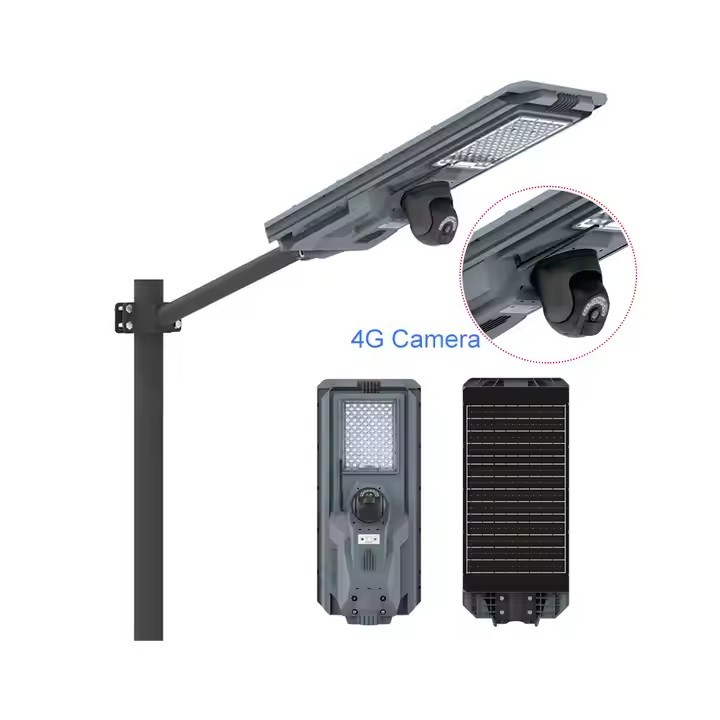
The Components of Integrated Solar Street Lights
Understanding the anatomy of integrated solar street lights is crucial for grasping their advantages:
Solar Panel
At the heart of these systems lies a high-efficiency solar panel that captures sunlight and converts it into electricity. These panels are typically designed to withstand harsh weather conditions, ensuring reliability all year round.
LED Light Source
LED technology plays a significant role in the functionality of solar street lights. LEDs consume significantly less power than traditional bulbs, providing bright illumination while maximizing energy efficiency.
Battery Storage System
An integral part of the system is the battery storage unit, which stores excess energy produced during the day. This stored energy is used to power the lights during the night, ensuring uninterrupted service.
Controller Unit
The controller unit manages the operation of the lights, turning them on at dusk and off at dawn. This feature optimizes energy usage and extends the lifespan of the battery.
Key Advantages of Integrated Solar Street Lights for Remote Areas
Integrated solar street lights offer numerous benefits, particularly in regions where traditional lighting solutions are impractical or too costly.
1. Accessibility to Remote Locations
Remote areas often lack reliable access to electrical grids. Integrated solar street lights eliminate the need for extensive wiring and installation, making them a straightforward solution for providing lighting in places that are otherwise challenging to reach.
2. Cost-Effectiveness
The initial investment in integrated solar street lights can seem substantial, but the long-term savings are remarkable. By utilizing solar energy, communities can significantly reduce electricity bills and maintenance costs associated with traditional street lighting.
3. Environmental Sustainability
Solar street lights contribute to environmental sustainability by reducing carbon emissions. As they rely on renewable energy, these lights help promote a cleaner and greener future.
4. Increased Safety and Security
Well-lit streets are crucial for community safety. Integrated solar street lights enhance visibility during nighttime hours, reducing the likelihood of accidents and deterring crime. This increased security fosters a sense of safety for residents and visitors alike.
5. Low Maintenance Requirements
Unlike conventional streetlights that require frequent bulb replacements and electrical maintenance, integrated solar street lights are designed for durability with minimal upkeep. The LED technology used has a longer lifespan, which further reduces maintenance costs and efforts.
Applications of Integrated Solar Street Lights in Remote Areas
The versatility of integrated solar street lights allows for a variety of applications in remote areas, enhancing both community functionality and aesthetics.
1. Rural Roadways
Lighting rural roadways with integrated solar street lights improves visibility for drivers and pedestrians, significantly reducing accidents.
2. Parks and Recreational Areas
Incorporating solar street lights in parks enhances safety for families and individuals enjoying outdoor activities after dark, creating a more inviting and secure environment.
3. Community Centers
Installing integrated solar street lights around community centers encourages evening activities and gatherings, fostering stronger community bonds.
4. Industrial Areas
For industrial zones located outside urban centers, solar street lights provide crucial lighting for safety and security, ensuring that operations can continue smoothly after sundown.
Challenges and Considerations
While integrated solar street lights present numerous advantages, there are challenges and considerations that must be addressed for successful implementation.
1. Initial Installation Costs
Though long-term savings are significant, the initial installation costs can be a barrier for some communities. Financing options and government incentives can help mitigate these expenses.
2. Weather Dependency
Solar street lights rely heavily on sunlight, which can be inconsistent in regions with frequent cloud cover or rainy seasons. However, modern solar technology is designed to maximize energy capture, and battery storage systems can compensate for cloudy days.
3. Community Acceptance
In some cases, community members may be hesitant to adopt new technologies. Educational programs and demonstrations showcasing the benefits of integrated solar street lights can foster acceptance and support.
How to Choose the Right Integrated Solar Street Light
Selecting the appropriate solar street light for your needs requires careful consideration of several factors.
1. Light Output Requirements
Determine the lumens required for the specific area you wish to illuminate. Different settings will have varying light requirements based on usage patterns and safety needs.
2. Battery Capacity
Assess the battery capacity to ensure it can store enough energy to power the lights through the night, especially during seasons with less sunlight.
3. Solar Panel Quality
Invest in high-quality solar panels that provide maximum efficiency and durability. Look for panels with a proven track record and warranties.
4. Design and Aesthetics
Consider the design of the street lights to ensure they blend seamlessly with the surrounding environment. Attractive designs can enhance the overall aesthetic of the area.
Conclusion
Integrated solar street lights are a game-changing solution for illuminating remote areas, offering accessibility, cost savings, environmental sustainability, and enhanced safety. By harnessing the power of the sun, these systems not only provide essential lighting but also foster community development and security. As technology continues to advance and costs decrease, we can anticipate even wider adoption of integrated solar street lights, paving the way for brighter, safer, and more environmentally friendly neighborhoods.
Integrated solar street light
Related News
SUBSCRIBE
BE THE FIRST TO KNOW ABOUT NEW PRODUCTS, SPECIALS AND MORE!
Zhongshan Guangdu Lighting Technology Co., Ltd.
Factory:
Guzhen, Zhongshan, Guangdong, China
Thailand Warehouse:
ต.บ้านเกาะอ.เมืองสมุทรสาคร จ.สมุทรสาคร
Philippines Warehouse:
Kawit, Cavite, Philippines
Vietnam warehouse:
Huyện Bình Chánh , tp. Hồ Chí Minh
Tel: +8618676119811
E-mail:gdled01@zsgdled.com
Copyright © 2024 Zhongshan Guangdu Lighting Technology Co., Ltd. 中山市光都照明科技有限公司
